 Health and Safety Policy for Commercial Waste Barking
Purpose: This policy sets out the health, safety and welfare standards that govern our commercial waste collection and rubbish collection services in Barking and surrounding service areas. It applies to all employees, contractors and visitors involved in commercial rubbish removal, waste transport and on-site handling activities. The objective is to minimise risk, prevent injury and protect property and the environment while delivering efficient waste management services.
 Scope: This policy covers operational tasks including bin handling, containerised waste transfer, safe loading and vehicle operations, segregation of waste streams, manual handling, use of mechanical lifting aids and control of hazardous materials during commercial waste operations. It applies across our service area to ensure consistent standards for all commercial waste Barking contracts and duties.
Risk Assessment, Responsibilities and Training
 Risk assessments are performed for all routine and non-routine tasks. Assessments identify hazards such as slips, trips and falls, moving vehicles, sharps, dust, fumes and hazardous substances. Controls are selected by hierarchy: elimination, substitution, engineering controls, administrative controls and personal protective equipment (PPE). Assessments are documented, reviewed periodically and updated following incidents, change of process or equipment.
Management responsibilities: Senior management are responsible for establishing and resourcing the policy, ensuring legal compliance, and providing suitable vehicles and equipment. Supervisors ensure safe systems of work, monitor compliance and provide first-line training. All staff must take reasonable care for their own safety and that of others, report hazards and cooperate with safety instructions.
Training is mandatory for roles that handle commercial rubbish removal, including induction, task-specific instruction and refresher training. Training covers manual handling techniques, PPE use, vehicle safety, traffic management on site, spill response and handling of hazardous wastes. Records of training and competency assessments are maintained.
Safe Working Procedures and Controls
 Operations: Vehicles and equipment are subject to scheduled maintenance and pre-start checks to ensure safe operation. Loading and unloading procedures include clear communication, use of spotters where required and exclusion zones to protect staff and third parties. All lifting operations follow safe lifting principles and use mechanical aids for heavy or awkward loads to reduce manual handling risks.
 Personal Protective Equipment (PPE): Appropriate PPE is supplied where risks cannot be otherwise controlled. This includes high-visibility clothing, gloves, protective footwear, eye protection and respiratory protection when appropriate. PPE selection is based on risk assessment and guidance from suppliers.
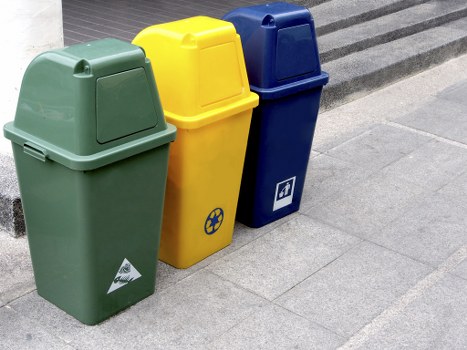
Waste segregation and hazardous materials: Commercial waste streams are segregated to prevent harmful interactions and to protect staff handling containers. Sharp objects and hazardous items are stored securely and clearly labelled. Spill kits and containment equipment are available on vehicles and at transfer locations. Where specialised disposal is required for hazardous waste, certified arrangements are used to ensure safe removal and treatment.
Vehicle and Traffic Safety: Vehicle safety measures include reversing alarms, cameras, high-visibility markings and designated parking/loading zones. Drivers follow safe driving practices, adhere to load security requirements and perform walk-around checks before departure. Yard and site traffic management plans are implemented at customer sites to minimise interaction between pedestrians and vehicles during rubbish collection and commercial waste operations.
Emergency procedures: Clear emergency arrangements are in place, including first aid provision, incident reporting and investigation, fire response and spill control. Staff are trained in emergency actions relevant to their role, and emergency equipment is inspected regularly. Incidents are recorded, investigated and lessons learned are incorporated into procedures and training to prevent recurrence.
Monitoring, performance and continual improvement: Regular audits, workplace inspections and health surveillance where appropriate ensure the policy is effective. Key performance indicators include near-miss reporting rates, incident frequency, compliance with vehicle checks and training completion. Findings drive corrective actions and continuous improvement in our commercial waste services throughout the service area.
Worker involvement: Employees are encouraged to participate in safety committees, hazard reporting and toolbox talks. Open communication is promoted to ensure issues are raised and addressed promptly. Supervision and mentoring support new staff to achieve safe working standards in rubbish collection and commercial waste handling.
Contractors and third parties: Contractors engaged in waste handling must comply with this policy and demonstrate competency, insurance and suitable safety practices. Coordination with site operators and clients ensures consistent application of controls across all commercial waste Barking activities.
Policy review: This health and safety policy is reviewed at least annually or when significant changes occur in operations, legislation or incident findings. Reviews ensure ongoing relevance and effectiveness for commercial rubbish removal and waste management activities.
