Commercial Waste in Barking

Commercial waste in Barking needs a practical, dependable approach that keeps business premises clear of everyday rubbish, bulky items and the kinds of mixed materials that build up during trading. We provide a service focused on collecting and removing commercial waste from premises such as shops, offices, workshops, hospitality venues and light industrial units, with a clear process that keeps the work straightforward for your team. The aim is simple: manage the waste you no longer need in a way that supports orderly day-to-day operations.
Our commercial waste collection is suitable where regular streams of cardboard, packaging, redundant stock, broken fittings, office junk or general non-hazardous rubbish need to be taken away without interrupting the working day more than necessary. We can also help when a one-off clearance is needed after refurbishment, a storage area has become overloaded, or an office is being reorganised. Clear descriptions of what needs removing make it easier to match the job to the right collection method, and our team can then work around the access available at your premises.
For many businesses, the main priority is to keep waste handling practical and predictable. That means knowing which materials are being removed, how they will be separated where appropriate, and what can be dealt with as part of a single collection. If you need to free up floor space, empty a back room or clear overfilled storage, we can discuss the load and explain the most suitable next step. Request a quotation when you are ready to move forward.
Waste collected from business premises
Commercial waste takes many forms, and the right clearance depends on what has actually built up. Some premises mainly need packaging and general rubbish cleared, while others accumulate dismantled fixtures, old equipment packaging, office paperwork, display units or broken items after a refit. We deal with routine waste and larger clearances where the load is still suitable for an organised removal rather than a specialist hazardous disposal route.
In practical terms, that can include bagged rubbish, loose mixed waste, cartons, shelving offcuts, unwanted furniture, obsolete small fittings and similar non-hazardous materials. Where materials need separating before removal, it helps to identify those in advance so that recyclable items and general waste can be handled sensibly. This is especially useful when a business wants to keep the clearance efficient without overcomplicating the job.
Common business settings
Different workplaces generate different waste streams, so the service needs to stay flexible. An office may need paper, furniture and old IT packaging removed, while a retail unit might be dealing with stockroom clutter, damaged display items and redundant fixtures. Workshops and trade premises often need mixed debris cleared after maintenance or a small strip-out. The service is built to manage those situations without requiring you to sort every item into a separate trip.
How we handle a collection

A commercial waste job usually works best when the collection point, volume and material types are clear from the outset. That helps us plan the vehicle, loading time and the number of team members likely to be needed. If the waste is spread across several rooms, stored upstairs or located in a yard or rear access area, those details matter because they affect how the job is carried out on site.
Pricing and quotes is the most useful place to start if you want to understand how commercial waste work is typically assessed. Factors such as load size, type of material, loading effort and access can all influence the quotation. We keep the process practical: once the waste type and volume are understood, you can decide whether a one-off clearance or a more regular arrangement is the better fit for your business.
Before booking, it is helpful to have a rough idea of what is included in the load, whether any items are particularly awkward to move, and whether the collection point is easy to reach. You do not need to create a full inventory, but a concise description saves time and reduces the chance of misunderstandings. If you already know that the waste includes mixed materials or bulky objects, mention that when you make contact.
Office waste and workplace clearances
Office environments often need a waste service that is tidy, controlled and able to cope with items that have simply reached the end of their useful life. That may involve removing desks, chairs, filing cabinets, shelving, packaging, paper waste and general clutter from working areas, meeting rooms, storage cupboards or archive spaces. When a workplace is being reconfigured, clearing these items can make the area easier to use again without turning the process into a major disruption.
We also handle office-related clearances where a business is replacing furniture or consolidating departments. In these cases the waste stream may include a mixture of reusable and non-reusable items, so it helps to identify what needs taking away and whether anything must remain in place. If your site has lift access, loading bay arrangements or time restrictions, those practical details can be factored into the plan. Office clearance is often the most relevant route when the load mainly comes from desks, storage units and workplace furniture.
Workplace waste can build up quickly because items are often kept “for later†until storage space becomes tight. A sensible clearance approach looks at what is no longer needed, what can be gathered in a single load and how the collection fits around daily operations. That is why a clear description of the items, access and preferred timing is useful before the job goes ahead.
Retail, hospitality and mixed commercial loads
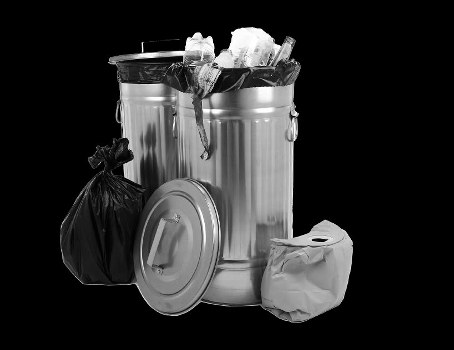
Retailers, cafés, restaurants and other trading premises often need waste removed in loads that are mixed but still manageable. The contents can include packaging, worn fittings, damaged stock, small appliances, trays, shelving parts, back-of-house clutter and general rubbish collected over time. The service is designed to deal with these mixed commercial loads in a way that keeps the premises usable and avoids unnecessary handling by your own staff.
Where business waste is linked to day-to-day operations, timing matters as much as the load itself. It may be better to clear during a quiet period, before an inspection or after stock rotation, depending on how the premises run. A thoughtful collection plan keeps waste out of customer areas and avoids creating extra work for the team. If the waste is concentrated in one store room, cellar, preparation area or stockroom, that can make the process more direct.
Choosing the right scope
Not every commercial load needs the same level of handling. A small back-office clearance may only involve a few items and bagged rubbish, while a larger site could need a broader mixed-waste pickup with several categories of material. When you are deciding how to frame the job, it helps to ask whether the waste is primarily general rubbish, furniture, packaging or a combination of those. That keeps the quotation relevant and the collection properly matched to the work.
Bulky items, furniture and fixture removal
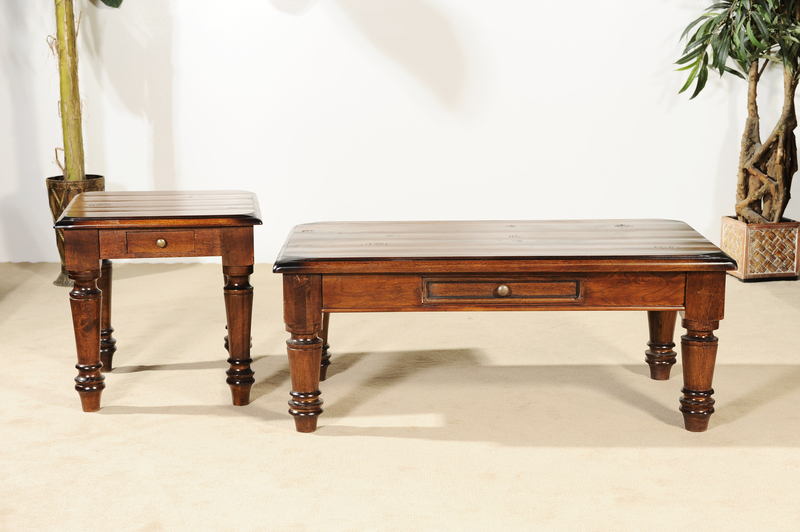
Many commercial clearances involve items that are too large to move easily through normal refuse routes. That can include office furniture, reception seating, shelving, cabinets, counters, display units and other bulky fittings that a business no longer needs. These items may be awkward because of their size, shape or weight, so it is useful to plan how they will be taken out before the collection day rather than assuming they can simply be left by the door.
Furniture clearance is relevant where a workplace needs to remove chairs, tables, storage units and similar items from business premises. In many cases, furniture forms part of a broader commercial clearance rather than a standalone task, so it can be combined with other waste where suitable. If the items are still in usable condition, that does not automatically change the job, but it can be helpful to identify whether they are mixed with broken or dismantled pieces.
When bulky pieces are involved, access is often the detail that makes the biggest difference. Stairways, narrow corridors, rear entrances and shared loading spaces can all affect how the collection is carried out. A short description of the route from the room to the vehicle helps keep the job realistic. Bulky waste should be described honestly so that the collection can be organised safely and efficiently.
Bulky items, furniture and fixture removal
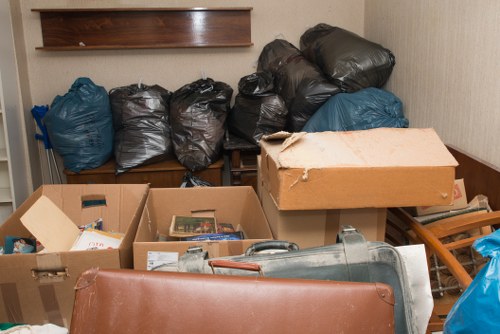
Some commercial premises also need disposal of individual large items such as broken fridges, worn seating, mattresses used in accommodation settings, or appliances that are no longer fit for purpose. These items often need a separate place in the load because they are heavier, more cumbersome or made from different materials than ordinary office rubbish. Identifying them early helps ensure the waste is handled in a way that suits the item type and the overall collection.
Fridge and appliance removal is useful when your business needs certain items taken away as part of a commercial clearance. Likewise, mattress and sofa disposal may be relevant for premises that include guest accommodation, staff rest areas or furnished waiting rooms. These pages point to more focused services, but they can also sit alongside a broader commercial waste arrangement where the load contains several different item types.
Where possible, keep fixed fittings separate from loose waste and mention anything that will need dismantling before removal. That does not mean preparing the site extensively; it simply means the collection can be planned more accurately. If you are dealing with a mixture of bulky items and ordinary rubbish, the quotation should reflect the whole load rather than just one part of it.
Recycling and responsible waste handling
Commercial waste is rarely made up of a single material, which is why sensible sorting matters. Cardboard, paper, metals, plastics, timber, furniture and general rubbish may all be present in one collection. Where items can be separated into useful groups, the waste stream becomes easier to handle. That does not mean every customer has to sort everything in advance, but it does mean that clear information about the load supports more organised disposal.
Recycling and sustainability covers the broader approach to dealing with reusable and recyclable materials from commercial premises. In practice, this can be helpful for businesses that want waste taken away with attention to separation and recovery where possible. The best outcome usually comes from matching the contents of the load to the correct route, rather than treating every item as though it were identical.
If your business is dealing with recurring waste rather than a one-off pile, it is worth thinking about what ends up in the skip bag, the storeroom or the back office most often. That makes it easier to decide whether the arrangement should be regular, occasional or tied to particular events such as relocations and refurbishments. Good waste planning is often about recognising patterns as much as removing a single load.
About Barking
Barking is a district in east London on the north bank of the River Thames, historically known as a riverside settlement with a long ecclesiastical and trading past. Its name is often associated with Barking Abbey, one of the most important monastic houses in medieval England, founded in the seventh century and dissolved in the sixteenth. Although little of the medieval abbey survives above ground, the site remains a significant reference point for the area’s history, and the town centre still reflects layers of later development. Barking grew steadily from a market town into an industrial and urban district, with canals, railway lines and dock-related activity shaping its twentieth-century character. The River Roding and the nearby Thames corridor form part of the local landscape, while several routes and open spaces tie the area to wider east London. Barking town centre includes civic and commercial buildings from different periods, alongside newer residential and public-realm developments. Eastbury Manor House, a Tudor building managed by the National Trust, is one of the best-known heritage sites nearby, and the Grade I listed St Margaret’s Church is another major historic landmark linked to the old abbey precinct. Barking Park, which opened in 1898, remains an important open space with a boating lake and recreational facilities, and the area’s transport connections have long supported its role as a local centre. In recent years, Barking has continued to change through regeneration around the station, the riverfront and the wider borough, while still retaining a strong sense of its layered historic identity.
Commercial collections for changing premises
Businesses often need waste removed at moments of change: a lease end, a refit, a stockroom reorganisation, a relocation or a reduction in the amount of equipment being kept on site. Commercial waste collections are well suited to those situations because the load is defined by what must go, not by a rigid list of item types. That gives you room to clear a site in a controlled way without waiting for individual items to be dealt with separately.
If you have several kinds of waste coming from the same premises, it can be sensible to describe the full mix rather than splitting it into disconnected jobs. For example, office furniture, packaging and general rubbish may all be collected together where access and load type make that practical. Business waste removal is the broader service to consider when you want recurring or occasional waste taken from trading premises as part of a single organised arrangement.
For larger changes, a simple list of areas involved can be useful: front of house, store room, office, yard or back-of-house space. That helps everyone understand where the waste is coming from and whether there are access limits. If you are unsure how to describe the job, give the most complete summary you can and ask for a quotation based on the information supplied.
Preparing a quotation request
To request a quotation, it helps to note what needs removing, roughly how much there is and whether the items are already gathered in one place. If the waste is spread across several rooms, loaded into sacks, or mixed with furniture and fittings, mention that clearly. You do not need to write a formal report; a practical description is enough for the service to be assessed sensibly. If you are planning around business hours or access restrictions, include that too.
Some clearances are straightforward and others involve more care because of bulky items, awkward access or mixed materials. In either case, the quotation is most useful when it reflects the actual work rather than a guess. Our role is to help you identify the right scope for the collection, and your role is simply to tell us what needs to go. If you are ready, ask for a quotation today and keep the details concise.
Contact us when you are ready to arrange commercial waste removal in Barking and discuss the load in more detail. A short enquiry is usually enough to start the process and confirm whether the collection suits your premises, access and timing. If you prefer to review practical information first, the service pages above can help you narrow the type of waste involved before you send your request.